
Facing assault charges in Georgia can be intimidating, but understanding the types of evidence prosecutors rely on is crucial for building an effective defense. Brett Willis Law LLC in Gainesville, GA, provides experienced criminal defense and DUI representation, guiding clients through the complexities of Georgia’s legal system. Prosecutors gather a range of evidence to establish guilt beyond a reasonable doubt, including witness statements, physical and digital evidence, and medical documentation. Recognizing these forms of evidence and how they are used allows defendants to work closely with their attorneys to challenge inaccuracies, procedural errors, and assumptions, ultimately protecting their rights and future.
Harvard Law School Trial Advocacy Instructor Justia 10.0 Lawyer Rating 10 Lawyers You Need to Know Top 100 National Trial Lawyers Avvo Rating 10 Faculty Faculty, Bill Daniel Trial Advocacy Program Rated by SuperLawers






Understanding Assault Charges in Georgia 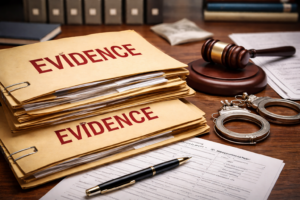
Georgia law defines assault in multiple forms, with the distinctions between simple assault, aggravated assault, and assault with intent to commit a felony primarily based on the severity of harm, intent, and the presence of weapons. Simple assault typically involves threats or minor injuries, often without physical contact, while aggravated assault involves serious bodily harm or the use of a deadly weapon. Assault with intent to commit a felony occurs when the act is directed toward committing another serious crime. The penalties for each vary significantly and may include jail time, fines, probation, or permanent criminal records, making the stakes exceptionally high for anyone facing such charges.
The Prosecutor’s Burden of Proof
In Georgia courts, prosecutors carry the burden of proving every element of the assault charge beyond a reasonable doubt. This means they must present compelling evidence that connects the accused to the alleged crime and demonstrates intent. To meet this burden, prosecutors often rely on multiple forms of evidence that can corroborate one another. Understanding these pieces of evidence can help defendants anticipate the strategies of the prosecution and work with attorneys to prepare defenses that protect their constitutional rights.
Witness Testimony
Eyewitness accounts remain one of the most commonly used forms of evidence in assault cases. Victims, bystanders, or anyone who observed the incident may be called to testify. Their testimony can cover detailed observations of the events, the actions of the accused, and descriptions of threats or harm. While compelling, witness testimony is inherently subjective and can be influenced by memory, stress, bias, or environmental factors. Defense attorneys often examine the credibility of witnesses, searching for inconsistencies, prior biases, or circumstances that may call into question the reliability of their account. Expert cross-examination can highlight these factors, creating reasonable doubt about the prosecution’s claims.



Physical Evidence and Documentation
Physical evidence provides concrete support for claims of assault. This can include photographs of injuries, medical records, weapons, clothing with blood or other traces, and objects involved in the incident. The documentation of injuries by healthcare professionals not only confirms the existence of harm but may also indicate the severity and potential intent behind the act. Defense teams frequently scrutinize how evidence was collected, preserved, and documented, looking for procedural mistakes or mishandling that could render certain pieces inadmissible. Ensuring proper chain-of-custody and authenticity is critical for both the prosecution and defense.
Digital and Video Evidence
With the prevalence of smartphones, surveillance cameras, and social media, digital evidence has become increasingly important in Georgia assault cases. Videos, photos, and other electronic records can provide a visual account of the incident, showing the sequence of events, presence at the scene, or interactions leading up to the alleged assault. Text messages, emails, or social media communications can also serve as evidence, particularly when they demonstrate intent, threats, or provocation. Defense attorneys may investigate the authenticity, completeness, and context of digital evidence to challenge its interpretation and ensure it does not unfairly prejudice the case against their client.
SM was a well-known DJ who was stopped on I-85 and arrested for DUI, and his license was taken for a year. A few months later, he got another DUI in a different county. We helped get the second DUI reduced to Reckless Driving with only a $50 fine, and we proved the first officer had no right to stop him. Because of that, the first DUI was dismissed. JF parked at a Publix, police showed up and started bothering him and his friends. They tried to pressure him into letting them search his car, and when he said no, they claimed they saw a vape pen and searched anyway. JF was arrested & charged with several felonies. We filed a motion to suppress the evidence, and they dropped all the charges. Pam killed her longtime boyfriend with a knife one night in their apartment. Our investigation uncovered that Pam had long suffered physical and mental abuse at this man’s hands. Prior to trial, we were able to convince the prosecution agreed to dismiss the murder charges. Pam is now back home with her family.
Medical Expert Testimony
Medical experts play a significant role in assault cases, particularly those involving injuries that require documentation. Physicians and other healthcare professionals may be called to testify about the cause, timing, and severity of injuries, establishing whether they are consistent with the prosecution’s narrative. Experts can clarify whether injuries may have been accidental, self-inflicted, or the result of other circumstances, providing critical context for the jury. In aggravated assault cases, expert testimony is particularly important, as it helps define the degree of harm and potential long-term impact, which directly influences sentencing.
Circumstantial Evidence
Prosecutors sometimes rely on circumstantial evidence when direct witnesses or recordings are unavailable. This type of evidence might include cell phone location data, patterns of behavior, or statements made to police and others after the incident. While circumstantial evidence can be powerful, it requires careful interpretation, as the connection between the evidence and the alleged assault must be logically established. Defense attorneys analyze the reasoning used to infer guilt from circumstantial evidence, emphasizing alternative explanations that introduce reasonable doubt.
Documented Communication and Threats
Communications preceding or following the alleged assault can provide insight into intent and premeditation. Threatening texts, emails, or social media posts may be used by prosecutors to demonstrate intent to cause harm. Conversely, defense teams assess the context of these communications, including language nuances, timing, and any potential provocations, to argue that the messages do not conclusively prove guilt or reflect intent in the legal sense.
Defending Against Assault Evidence
A comprehensive defense against assault charges requires meticulous review of all evidence. Attorneys at Brett Willis Law LLC examine every detail, from witness statements to physical, digital, and medical evidence. Defense strategies may include challenging witness reliability, questioning the collection or interpretation of evidence, and presenting alternative explanations for injuries or events. Defense counsel also investigates procedural errors made during the investigation, such as improper police conduct or violations of constitutional rights, which can impact the admissibility of evidence and the overall strength of the prosecution’s case.
Protecting Your Rights and Preparing Your Defense
Understanding the evidence prosecutors rely on is essential for protecting your rights. Individuals facing assault charges should exercise their right to legal counsel, avoid public discussions of the incident, and preserve any documentation or proof that may support their defense. Early engagement with experienced attorneys allows for careful investigation, strategic planning, and effective challenges to flawed or incomplete evidence. Legal professionals guide clients through hearings, negotiations, and trial preparation, ensuring that every available defense is pursued.
Assault charges in Georgia involve complex legal proceedings and the potential for severe consequences. Prosecutors use a variety of evidence, including witness testimony, physical and digital documentation, medical expert opinions, and circumstantial evidence to establish guilt. Defendants benefit greatly from early consultation with skilled attorneys, who can analyze and challenge each element of the evidence, identify weaknesses in the prosecution’s case, and safeguard constitutional rights. Brett Willis Law LLC in Gainesville, GA, offers dedicated criminal defense and DUI representation, providing strategic guidance and aggressive advocacy to protect clients facing assault charges.
To learn more about this subject click here: What Constitutes Assault Against an Officer?

 |
|