
If you’re pulled over at a DUI checkpoint during spring in Georgia, understanding the process, your rights, and the steps to take can help ensure you protect yourself. DUI checkpoints are common, especially during the warmer months, but being informed about the process can make a significant difference in how you navigate the situation.
Harvard Law School Trial Advocacy Instructor Justia 10.0 Lawyer Rating 10 Lawyers You Need to Know Top 100 National Trial Lawyers Avvo Rating 10 Faculty Faculty, Bill Daniel Trial Advocacy Program Rated by SuperLawers






What Happens at a DUI Checkpoint in Georgia? 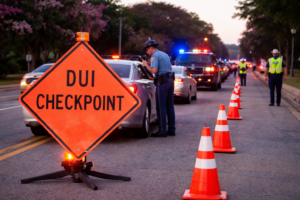
In Georgia, DUI checkpoints are common, especially during the spring season, when more people are on the roads due to warmer weather. If you are pulled over at such a checkpoint, law enforcement officers are conducting a legal stop, intended to deter impaired driving. Officers set up checkpoints in strategic locations, such as busy intersections or highways, to check for signs of intoxication and ensure public safety. When stopped, an officer will typically ask for your driver’s license, vehicle registration, and proof of insurance.
After the initial exchange, if there is no immediate cause for suspicion, you may be allowed to go on your way. However, if the officer observes signs of impairment or if something appears unusual, you may be asked to perform additional tests, such as field sobriety tests or a breathalyzer test.
The Role of Field Sobriety Tests
During a DUI checkpoint stop, if the officer suspects you might be intoxicated, they may ask you to take a field sobriety test (FST). In Georgia, officers are allowed to request these tests if they believe they have reasonable suspicion that you are impaired. The field sobriety test can include several components, such as walking in a straight line, standing on one leg, or following a moving object with your eyes.
- Walking the Line: One common FST is the “walk-and-turn” test. Officers will ask you to walk in a straight line, heel-to-toe, then turn and return in the same manner. The officer will be watching for signs of balance issues, swaying, or an inability to follow instructions.
- One-Leg Stand: In this test, you are asked to stand on one leg for a set period of time. Officers look for signs such as swaying, hopping, or putting your foot down.
- Horizontal Gaze Nystagmus (HGN): Officers will check the movements of your eyes while you follow a light or object. Unusual jerking or twitching in your eye movement may be indicative of intoxication.
Although field sobriety tests can provide officers with evidence of impairment, they are not foolproof. Factors such as physical injuries, nervousness, or the road conditions can also affect the results.



Breathalyzer or Blood Tests: What’s Next?
If the field sobriety tests suggest impairment or if the officer has probable cause, they may request a breathalyzer test. In Georgia, it is important to know that you do have the right to refuse a breathalyzer test, but refusing the test comes with consequences. Under Georgia’s Implied Consent Law, refusing a breathalyzer or other chemical tests can result in an automatic suspension of your driver’s license.
- Breathalyzer Refusal: While you can refuse to take the breathalyzer, doing so may lead to a 12-month driver’s license suspension, even without a conviction.
- Blood Test: If a blood test is administered, it may be used to determine the presence of alcohol, prescription medication, or illegal substances in your system. The results from these tests can play a significant role in your legal defense, whether you agree to the test or not.
However, the law in Georgia requires that law enforcement inform you of the consequences of refusing these tests. Knowing your rights in these situations can help you make a more informed decision, and it is highly recommended to consult with an experienced attorney from Brett Willis Law LLC if you’re facing a DUI arrest.
SM was a well-known DJ who was stopped on I-85 and arrested for DUI, and his license was taken for a year. A few months later, he got another DUI in a different county. We helped get the second DUI reduced to Reckless Driving with only a $50 fine, and we proved the first officer had no right to stop him. Because of that, the first DUI was dismissed. JF parked at a Publix, police showed up and started bothering him and his friends. They tried to pressure him into letting them search his car, and when he said no, they claimed they saw a vape pen and searched anyway. JF was arrested & charged with several felonies. We filed a motion to suppress the evidence, and they dropped all the charges. Pam killed her longtime boyfriend with a knife one night in their apartment. Our investigation uncovered that Pam had long suffered physical and mental abuse at this man’s hands. Prior to trial, we were able to convince the prosecution agreed to dismiss the murder charges. Pam is now back home with her family.
What Are Your Rights During a DUI Checkpoint Stop?
Even though DUI checkpoints are lawful in Georgia, it’s important to remember that you still have rights during such stops. Understanding these rights can help you avoid self-incrimination and protect you from illegal searches or seizures.
- Right to Remain Silent: You do not have to answer any questions beyond providing your driver’s license and vehicle documents. If the officer asks if you’ve been drinking or if you are intoxicated, you have the right to remain silent. It’s usually in your best interest not to make any admissions about drinking or drug use.
- Right to Refuse Testing: If you’re asked to take a breathalyzer or submit to field sobriety tests, you have the right to refuse. However, as previously mentioned, this could lead to the suspension of your license.
- Right to Legal Counsel: If you are arrested, you have the right to consult with a criminal defense attorney. It’s crucial to call a lawyer as soon as possible if you’re facing DUI charges. Having expert legal counsel on your side can be the difference between a favorable and unfavorable outcome in your case.
Common Mistakes to Avoid During a DUI Checkpoint Stop
There are a few mistakes people commonly make when pulled over at a DUI checkpoint, and avoiding these can help you protect your rights.
- Arguing with the Officer: It is important to remain calm and cooperative, even if you disagree with the officer’s actions. Arguing or being confrontational can only escalate the situation and hurt your defense later.
- Admitting to Drinking or Using Drugs: Never admit that you’ve been drinking or using drugs. Saying anything that could be used against you can harm your defense strategy.
- Failure to Understand the Consequences of Refusing Testing: Refusing a breathalyzer test might seem like the right decision, but it carries legal consequences, including the automatic suspension of your license. Always weigh the potential penalties before making this decision.
What Happens If You Are Arrested at a DUI Checkpoint?
If you are arrested for DUI at a checkpoint, there are several key consequences that you should be aware of. These consequences can vary depending on whether it is your first offense or if you have a prior DUI history.
- License Suspension: One of the immediate consequences of a DUI arrest in Georgia is the potential for your driver’s license to be suspended. If you refuse to take a chemical test, the suspension is automatic. If you are convicted, the suspension could last for up to one year.
- Criminal Charges: A DUI arrest typically leads to criminal charges, which may carry fines, mandatory alcohol or drug treatment programs, and even jail time. The severity of the penalties depends on factors such as blood alcohol content (BAC) and whether you have prior DUI convictions.
- Court Appearance: After a DUI arrest, you will have to appear in court to face the charges. It’s important to hire a skilled DUI attorney, such as those at Brett Willis Law LLC, to help you navigate the court process and possibly reduce or dismiss the charges against you.
How a DUI Lawyer Can Help You
If you’re facing DUI charges in Georgia, a skilled attorney can be your greatest asset in building a strong defense. A DUI lawyer can help in several ways:
- Challenging the Evidence: Your attorney will thoroughly examine the evidence against you, such as the officer’s observations, the results of any field sobriety tests, and the breathalyzer or blood test results. If any of the evidence was obtained unlawfully or is unreliable, your attorney may be able to get it dismissed.
- Negotiating with Prosecutors: In many cases, DUI attorneys can negotiate with prosecutors to reduce the charges or seek a plea bargain that involves lesser penalties. For example, a skilled attorney might be able to negotiate for an alternative sentencing option, such as community service or alcohol education classes, instead of jail time.
- Protecting Your Rights: A DUI lawyer ensures that your rights are protected throughout the legal process. From questioning law enforcement practices to challenging the evidence, they will fight to ensure you receive a fair trial.
Steps to Take After a DUI Arrest
If you are arrested at a DUI checkpoint, it is critical to take the following steps:
- Remain Calm: Cooperate with the officer, but do not admit guilt or answer questions about drinking or drug use.
- Request Legal Counsel: Call a DUI lawyer as soon as possible to help guide you through the process.
- Review the Charges: Work with your lawyer to review the evidence against you and discuss your defense options.
- Prepare for Court: Your lawyer will help you understand what to expect during the court proceedings and can help you prepare your case.
DUI checkpoints are a common occurrence in Georgia, especially during the spring season. If you find yourself pulled over at one, understanding your rights and what to do next is essential to protecting yourself legally. If you’ve been arrested, the attorneys at Brett Willis Law LLC are here to help you navigate the legal process and defend your rights. Contact us for a free consultation and take the first step toward protecting your future.
To learn more about this subject click here: What Are My Legal Rights at A DUI Checkpoint?

 |
|