
Seasonal police checkpoints are a common sight on Georgia’s roadways during the winter months. As the weather turns colder, officers ramp up their efforts to ensure drivers remain safe on the roads, and Brett Willis Law LLC is here to help explain the importance of these checkpoints and what they entail. Police checkpoints serve as a proactive measure to ensure that individuals follow the rules of the road, and they also serve as an effective deterrent to risky driving behavior, particularly DUI-related incidents. Understanding how these checkpoints function can help you stay informed and prepared.
In Georgia, seasonal police checkpoints are implemented to reduce traffic accidents, particularly during periods when driving conditions are more hazardous, such as in winter. During this season, colder temperatures can lead to hazardous road conditions, especially on bridges and overpasses, where ice can form even when the rest of the road appears clear. Police officers utilize checkpoints during these months to target specific traffic violations, increase safety measures, and, most importantly, prevent accidents. These checkpoints help officers identify impaired drivers, ensure compliance with driving laws, and provide a sense of security to the public.
The Purpose of Police Checkpoints in Winter 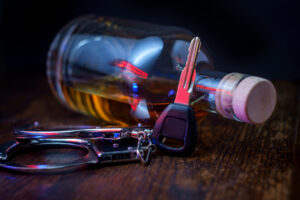
The primary purpose of these seasonal checkpoints is to ensure the safety of all drivers on the road. The winter months often see an increase in dangerous driving behaviors due to the combination of reduced visibility, icy roads, and colder temperatures, all of which can lead to dangerous driving conditions. In addition to addressing road safety concerns, winter checkpoints are particularly focused on DUI enforcement. These checkpoints serve as a reminder to drivers about the dangers of driving under the influence of alcohol or drugs. They are designed not only to catch impaired drivers but also to deter people from making the reckless decision to drive while intoxicated.
Law enforcement officers are especially focused on making sure that drivers comply with the law during the colder months, where poor decision-making can have even more severe consequences. DUI arrests tend to increase around the holidays, and the winter holiday season is historically one of the busiest times for law enforcement to conduct sobriety checkpoints. These checkpoints help curb impaired driving before it causes accidents, injuries, and fatalities.
What Officers Look for During a Checkpoint in Winter
While DUI enforcement is a central focus of winter checkpoints, officers also keep an eye out for other safety issues that are more common during the colder months. Drivers who approach a checkpoint should be prepared for officers to conduct various checks, all of which are designed to keep the roadways safe. Here are some of the most common issues officers are looking for during these seasonal checkpoints:
- Signs of Impaired Driving
One of the most significant reasons for setting up DUI checkpoints is to identify drivers who are operating their vehicles under the influence of alcohol or drugs. Officers at these checkpoints are trained to observe drivers for signs of impairment, such as slurred speech, difficulty with coordination, and unusual behavior behind the wheel. If an officer suspects a driver is impaired, they may ask the driver to submit to field sobriety tests or a breathalyzer test. - Vehicle Maintenance and Equipment Compliance
Winter driving conditions require drivers to ensure their vehicles are adequately prepared for the colder months. Officers will be on the lookout for vehicles that may not be properly equipped for winter driving. For example, cars with bald tires or vehicles with broken lights could pose a significant risk to drivers, particularly in winter weather. If a vehicle is found to have unsafe tires, broken headlights, or other vehicle maintenance issues, the driver could be cited, or the vehicle could be towed. - Seat Belt Usage
Seat belt use remains one of the most essential aspects of driving safety year-round, and winter checkpoints are no different in enforcing this. Officers will check to make sure all occupants in a vehicle are wearing their seat belts, as failure to do so is a common violation that can result in fines. In addition to this, officers may also be looking for issues related to child safety seats and car seat requirements, which are more common during winter travel, as people take trips for the holidays. - Speeding and Reckless Driving
Although winter driving conditions often require drivers to reduce their speeds, speeding continues to be a common problem. Even if roads appear clear, icy patches or poor visibility due to weather conditions can cause accidents. Officers will be looking for drivers who are speeding or driving recklessly, as these actions increase the chances of accidents. If officers notice a driver traveling too fast for conditions, they may pull them over and issue a citation. - Out-of-State or Unregistered Vehicles
Officers at seasonal checkpoints may also be checking for out-of-state or unregistered vehicles. As Georgia sees an influx of travelers during the winter months, including tourists and residents returning home for the holidays, police officers are particularly vigilant for cars that do not have proper registration or inspection. These violations are more likely to happen when drivers are unfamiliar with the state’s laws or have not updated their vehicle’s registration.
What You Need to Know About Checkpoints in Georgia
If you find yourself approaching a police checkpoint in Georgia, it’s essential to know what to expect. These checkpoints are typically visible, and officers will guide drivers through the checkpoint line. You are not required to stop unless you are directed to do so by an officer, but if you are asked to pull over, be cooperative. Here’s a general guide to handling a checkpoint stop:
- Be Prepared
Before arriving at the checkpoint, ensure that you have your driver’s license, registration, and proof of insurance readily accessible. Officers may ask to see these documents when you approach the checkpoint. - Stay Calm and Cooperative
It’s natural to feel nervous when approached by law enforcement, but remember that the officers are just doing their job to ensure public safety. Be polite, cooperative, and respectful. If you are asked to step out of the vehicle for any reason, comply calmly. - Know Your Rights
While you are required to cooperate during a checkpoint stop, you still have rights. If you are asked to perform field sobriety tests or take a breathalyzer, you have the right to refuse. However, refusing a sobriety test may have legal consequences, including the suspension of your driver’s license. - Don’t Panic if You Are Arrested
If you are arrested for DUI or another offense during a checkpoint, it is important to remain calm and contact a skilled attorney as soon as possible. A lawyer can help you navigate the legal process and protect your rights.
Why You Should Call an Attorney After a DUI Checkpoint Stop
If you are arrested during a DUI checkpoint stop, the consequences can be serious. DUI charges in Georgia come with significant penalties, including license suspension, fines, mandatory DUI education programs, and possible jail time. Brett Willis Law LLC is experienced in handling DUI cases and can help you understand your legal options. It’s crucial to speak with an attorney as soon as possible to avoid making decisions that could harm your case.
Our team at Brett Willis Law LLC is dedicated to helping you navigate the complexities of DUI defense, and we’ll work tirelessly to achieve the best possible outcome for your situation.
Winter police checkpoints in Georgia are an essential tool for maintaining safety on the roads during the colder months. While DUI enforcement is a significant part of their purpose, these checkpoints also help to ensure that drivers are properly prepared for winter conditions and complying with all road safety laws. By staying prepared and knowing what to expect, you can avoid unnecessary legal complications and ensure that your travel remains safe this winter season.
If you find yourself facing charges or need legal assistance, don’t hesitate to reach out to Brett Willis Law LLC for experienced legal representation.